The following cases exemplify the diverse capabilities of INS Products. Our products are designed to be versatile, adaptable to various scenarios, and can be seamlessly integrated with other INS products. This flexibility ensures that each application is unique and tailored to specific needs, rather than adhering to a one-size-fits-all approach. For a comprehensive overview of the diverse applications at your disposal, refer to our Application Notes, which provide clear insights into the range of possibilities.
Hospitals
Preventative maintenance through early identification of potential threats in the communication infrastructure
Using fibre as a solution to introduce interference immunity for instance where back-up generators and X-Ray machines are installed
Using the DU50 event display unit to display the fire alarm status clearly in corridors
Supporting long-term archiving of Fire Alarm System events reference and the generation of incident reports as a compliance requirement
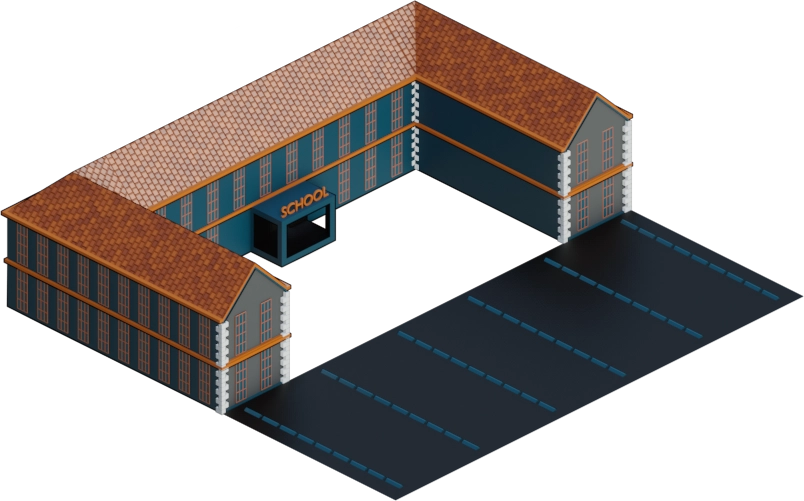
Schools
The DU50 and IRIS200 to inform teachers of the current evacuation status in the event of a fire or to call first aid to a classroom
IRIS-Note application on teachers’ smartphones or smart watches for easy notifications
IRIS-Note for the reliable communication of important information between recipients in managed private groups
Airports
Using the INS001 and INS003 network nodes to dynamically optimise the fire alarm network infrastructure and identify potential faults in the network
Remote interface modules INS008 for interfacing RS-485 to RS-232 or Ethernet communication channels and INS009 for bi-directional input/output signals
The INS008 and INS009 can be used in tandem to provide a life-safety bi-directional monitored link through a variety of communication interfaces
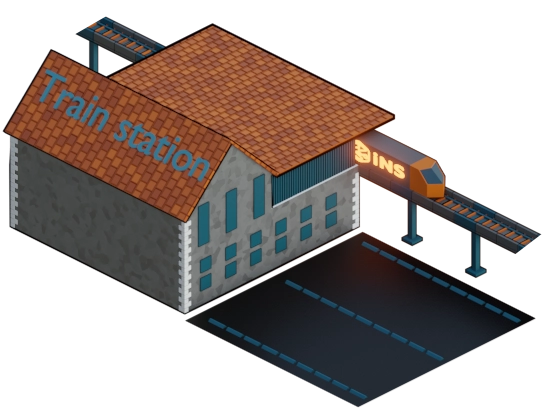
Train Stations
Using IVIEW for the ability to rapidly recognise and diagnose physical errors on the network and flag weaknesses in the infrastructure prior to failure
Using fibre as a solution to increase communication distances, reduce noise immunity and also support preventative maintenance of the optic fibre infrastructure and other network interfaces
Using the INS007 Transient suppression module for RS-485 communications as an RS-485 signal booster and to protect against ESD, EFT and Surge protection
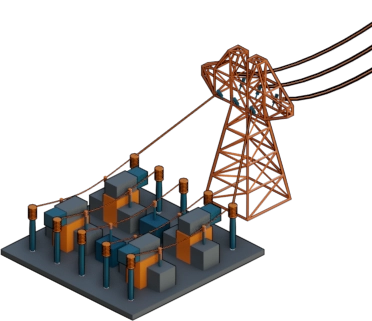
Sub Stations
Preventative maintenance through early identification of potential threats in the communication infrastructure
Cloud based event monitoring and notification
Fire-Bridge for network redundancy and live input/output status monitoring
CEVIEW for a centralised view of the fire alarm system and other inputs and outputs
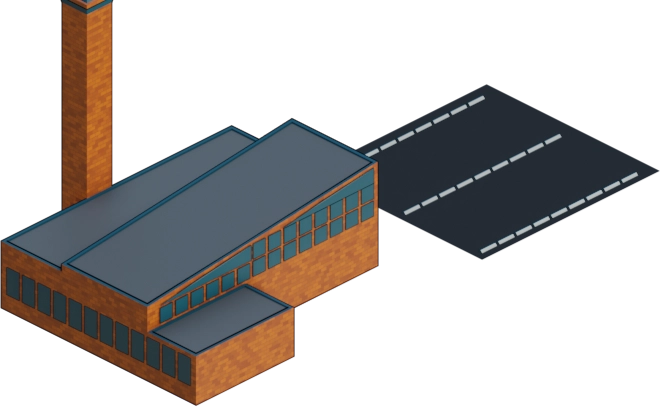
Factories
Preventative maintenance through early identification of potential threats in the communication infrastructure
Cloud-based event monitoring and notification
Using fibre as a solution to reduce network noise and also to identify faults in the network
Using the INS007 Transient suppression module for RS-485 communications as an RS-485 signal booster and to protect against ESD, EFT and Surge protection
Have a look at the products that have optimised these systems.
“The fire alarm network at the Queen’s Medical Centre in Nottingham consists of 77 panels which use a bespoke RS-485 network card array, designed from the ground up for large complex fire alarm networks. After 19 years’ service spares for this network card were becoming unavailable and also the fire alarm network was suffering frequent breakdowns due to a combination of cables perishing with age, mechanical damage to cables and also increased electrical and electronic noise. INS Technologies were approached to replace the obsolete network card with a modern data network solution, the DNA card. The DNA Cards were installed over a four-week period and have resulted in a more stable and resilient fire alarm network, and the network is currently performing well. The DNA Cards have also filtered out the external influences allowing for a more efficient data flow. They have also identified issues with existing copper cables that require replacing and this will form part of an ongoing refurbishment programme.”
– Matthew Grimshaw, Estates Capital Project Manager, Nottingham University Hospitals Trust